


Tendering Instruments: Turning Complex Bids into Clear Decisions
How a tendering instrument complements bid documents and gives decision-makers a clear view of a complex project. A communication firm's approach to major bids.
Winning a major project often depends on more than the technical proposal.
In construction and infrastructure, decision-makers need to understand, quickly and clearly, what the project is, what will be delivered, and why the bidder is capable of delivering it.
Business Motion has developed several communication instruments for clients bidding for major projects. In each case, the instrument was designed to accompany the formal tender documents, not to replace them.
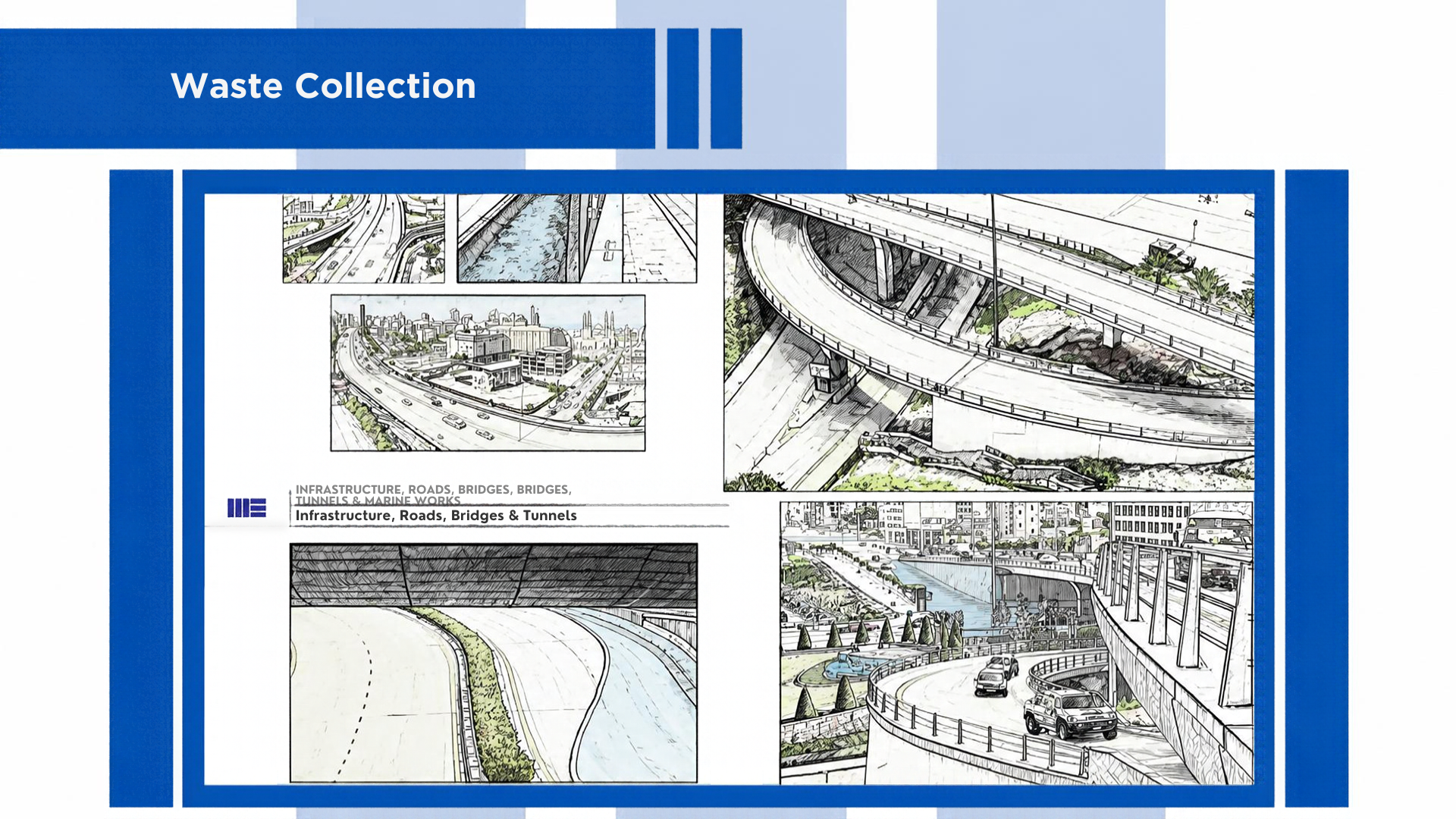
What the Instrument is For
The objective of the tendering instrument is to strengthen the bid and contribute to securing the project. It provides decision-makers with a clear and accessible overview of the proposed project alongside the detailed bidding documents.
The challenge is determining what information needs to be communicated, how much detail is appropriate, and which elements will help the audience understand the proposal without overwhelming them with technical information.
Tendering projects are particularly demanding because they often come with very short production timelines. There is little room for unnecessary information, extensive review cycles, or production delays.
Deciding What to Say, and What to Leave in the Documents
As with every Business Motion project, we start by understanding the objective and the audience. We identify what decision-makers need to know, at what level of detail, and what information should remain within the technical documentation.
From there, we build the communication roadmap around the resources already available: the client's documentation, technical information, existing visual assets, branding, archive material, and project information.
Because these instruments are often developed for long-standing clients, we already understand their industry, visual identity, and communication standards. This allows us to move quickly while giving us the freedom to develop the appropriate creative direction.
The roadmap also accounts for the realities of tendering: limited time, limited review rounds, technical accuracy, and the need to remain aligned with the formal proposal.
One Coherent Picture from Scattered Resources
Once the script, technical information, and voice-over are validated, production moves directly into execution. With limited time for filming, these instruments often rely on a combination of available visual resources: archive footage, stock footage, existing project footage, graphics, diagrams, maps, and animation.
The challenge is not simply to assemble these elements, but to turn them into one coherent visual instrument.
Throughout production, the client's main focus remains technical accuracy. Our role is to ensure that the technical content is correctly represented while managing the storytelling, visual structure, pacing, and overall communication.
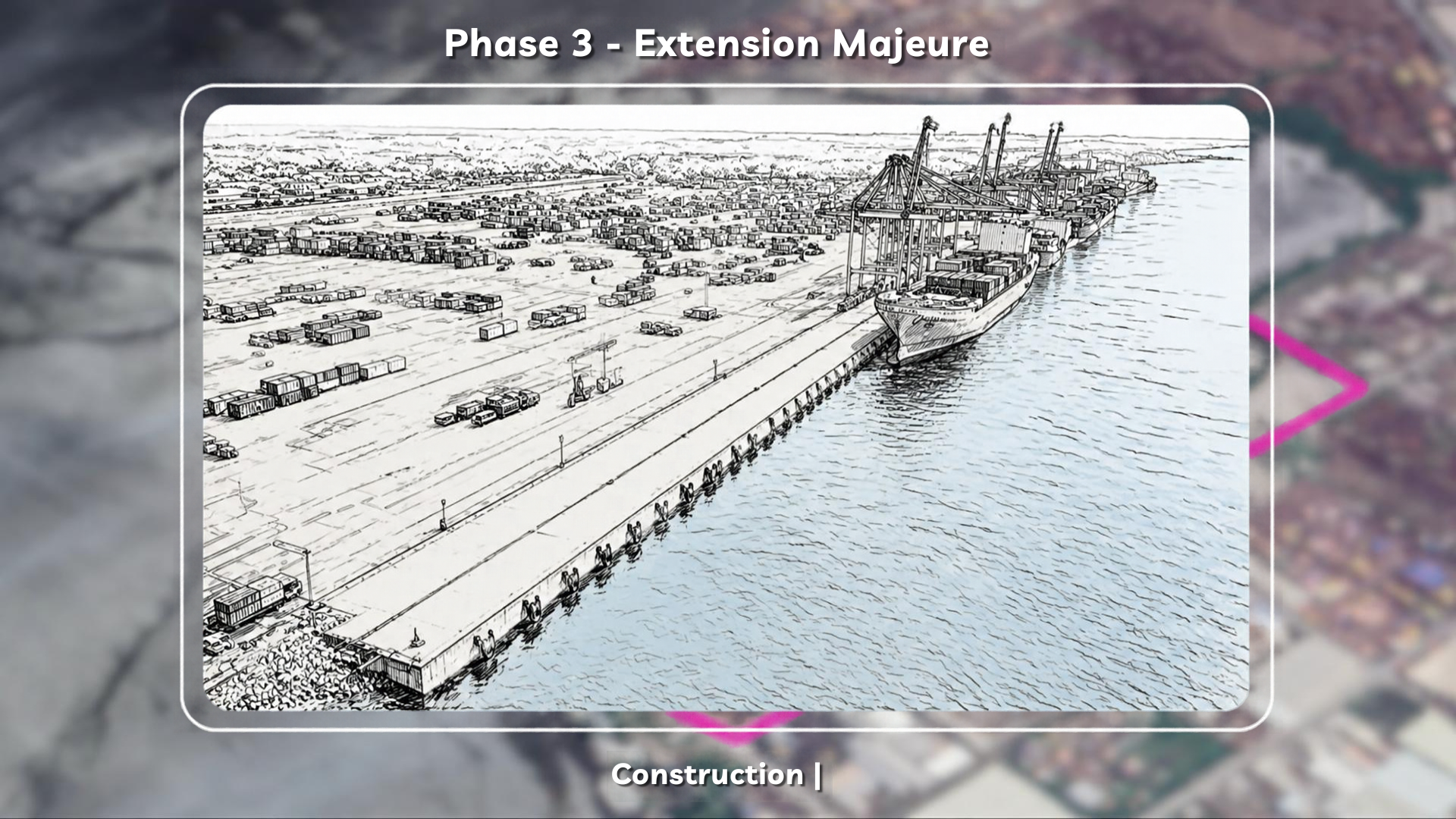
It Complements the Bid, it Does Not Replace it
In the cases we have worked on, our clients were successfully awarded the projects for which these instruments were developed. In one case, the instrument was even updated during the contract-signing stage with the government, extending its value beyond the original tender.
While technical teams review detailed specifications, figures, and requirements, other decision-makers need a broader understanding of the project: What is being proposed? What will be delivered? How will it work?
A well-designed communication instrument gives them that overview quickly and makes a complex proposal easier to understand.
This is how Business Motion approaches such projects: start with the objective, build the roadmap, execute with purpose, and create a communication instrument that supports the business goal.
If you are preparing a major bid, reach out early. Time saved on the roadmap is time gained for execution.