


How our clients solved business challenges through communication
For companies in complex industries, communication usually begins with a business requirement. Here is how the objective shapes the instrument.
For companies operating in complex industries, communication usually begins with a business requirement: entering a new market, developing new opportunities, presenting a complex project, strengthening a bid, or aligning people around the company's direction. The communication comes next.
At Business Motion, we have worked with companies since 2014 to translate these business requirements into communication strategies and instruments that can be used in real business situations. Here are some of the ways communication has been used to address those challenges.

Support Business Development
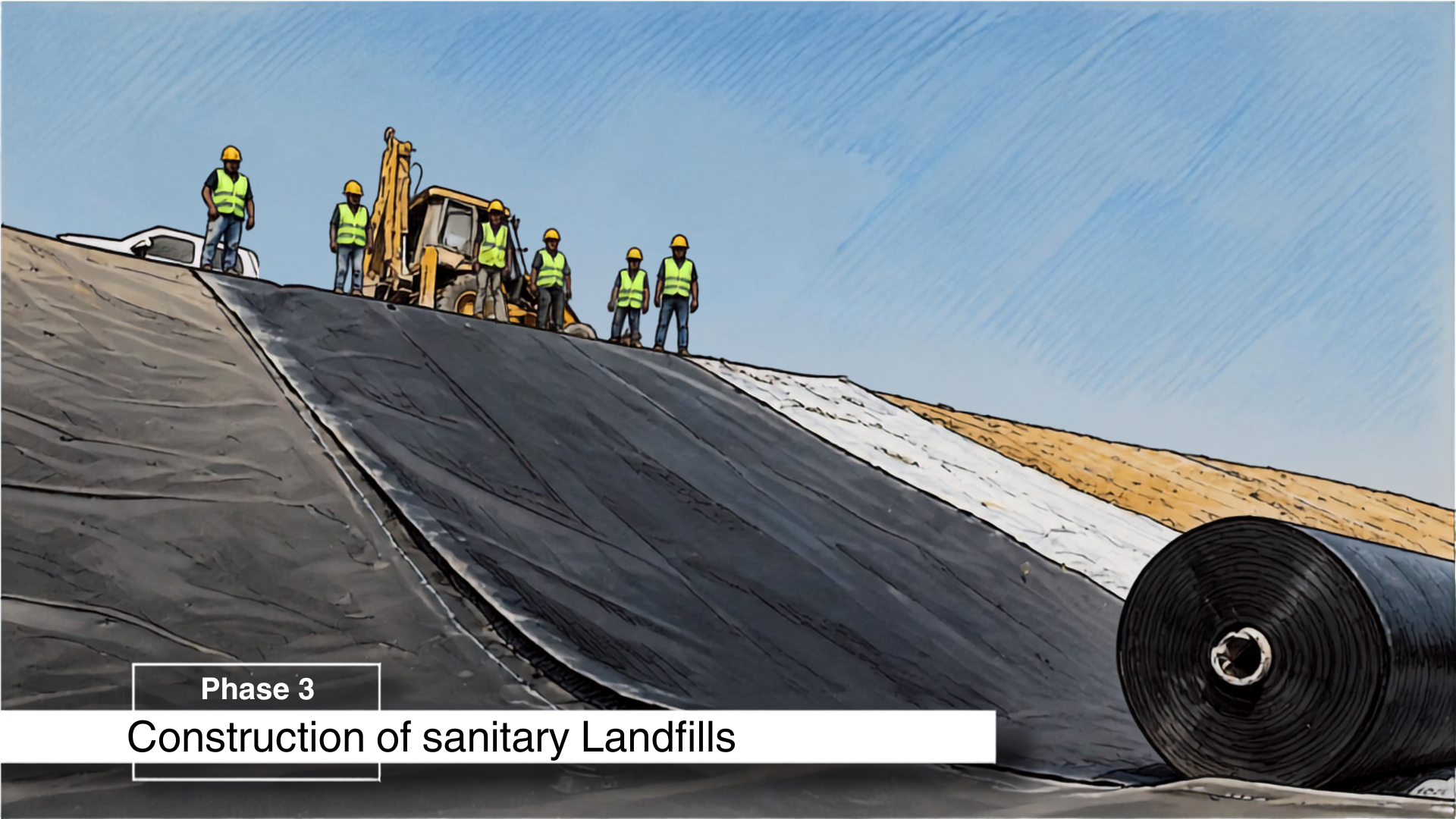
Sometimes the communication requirement is very specific. KCC Landfill Solutions needed an instrument that could introduce its expertise in landfill solutions during executive meetings and business-development conversations.
The answer was a concise two-minute communication instrument focused on KCC's expertise and its work on the Burj Hammoud landfill in Lebanon. It was designed around the situation in which it would be used: a decision-maker needs to understand the company's expertise quickly, without sitting through a lengthy corporate presentation.
The instrument was therefore not created simply to sit on a website. It was created to support a business conversation.
Demonstrate Expertise. Enter New Markets.
A complex project can be one of the strongest ways for a company to demonstrate what it can actually do. For Zerock, the AgriHub project in Loudima, Congo, was among the significant examples. A 24-month turnkey EPIC project involving agricultural production, biofuel, storage, power generation and logistics across multiple countries required communication that could reflect its scale and complexity.
The objective was not simply to document the project. The project itself had to demonstrate what more than 25 years of experience delivering complex projects across Sub-Saharan Africa looks like in practice. Business Motion developed communication instruments around key project milestones, allowing the project to become a tangible demonstration of Zerock expertise that could also be used in business-development conversations.
The project was the story. The communication made that story usable.
The wider communication challenge was to strengthen the company's communication foundation for its next stage of growth. Business Motion began with an assessment of the company's communication and business context, followed by a roadmap and the development of communication instruments across its corporate and digital presence. Company profile. Website. LinkedIn. YouTube. Reports. Business-development tools.
The objective was to create a stronger communication foundation that could support future market entry and business development, while giving the company greater consistency across its communication.
Strengthen Internal Alignment
Communication also has an internal role. As companies grow, operate across markets and develop different areas of expertise, it becomes increasingly important for people across the organisation to have a shared understanding of what the company does, what it stands for and where it is heading. Communication can provide that common foundation.
The objective was not to make every communication identical. It was to make sure that different communications were built from the same strategic foundation.
Win a Bid
A tender is a business opportunity, not simply a communication exercise. The information may be technical, detailed and extensive. But the decision-maker still needs to understand why the company is relevant to the opportunity.
Business Motion has developed short bid presentations and other tendering instruments for clients in complex industries, starting with the specific opportunity rather than with a generic company presentation. The communication is structured around what matters for that bid: the relevant experience, capabilities, approach, projects and understanding of the requirement.
The objective determines what needs to be communicated and what does not.
The Business Objective Comes First
These projects required very different instruments. A project communication. A two-minute executive tool. A company profile. A website. A bid presentation. A digital presence. A broader communication roadmap. The instrument changed according to the requirement.
What remained constant was the starting point: what does the business need to achieve? From there come the questions: who needs to be reached? What do they need to know? What needs to change? What message matters? Where will the communication be used? And which instrument is right for that situation?
This is why communication for complex industries cannot always begin with a format. It begins with the business objective.
Strategy first. The right instrument next.
Since 2014, this has been how Business Motion approaches communication: connecting business objectives with strategy, audience, message, industry, context and the right communication instruments to support them. Reach out to talk about what your business needs to communicate.