


Five Videos about Space. Seven Years Later, They Are Still Watched.
Building educational communication instruments that outlast the brief, and the event they were made for.
The Brief: Make Space Accessible for Students across Countries
In 2017, the Airbus Little Engineer Workshop needed a series of five educational animated videos to introduce students from multiple countries to space, Mars, and the purpose of the workshop itself. The videos had to carry scientific content clearly, stay true to the Airbus Foundation brand guidelines, and hold the attention of a young, international audience across a combined runtime of around twenty minutes.
That is not a small brief. Educational video production is one of the most demanding formats precisely because the audience brings high expectations and low tolerance for content that feels like an obligation. The subject has to earn attention every few minutes, or it loses it entirely.
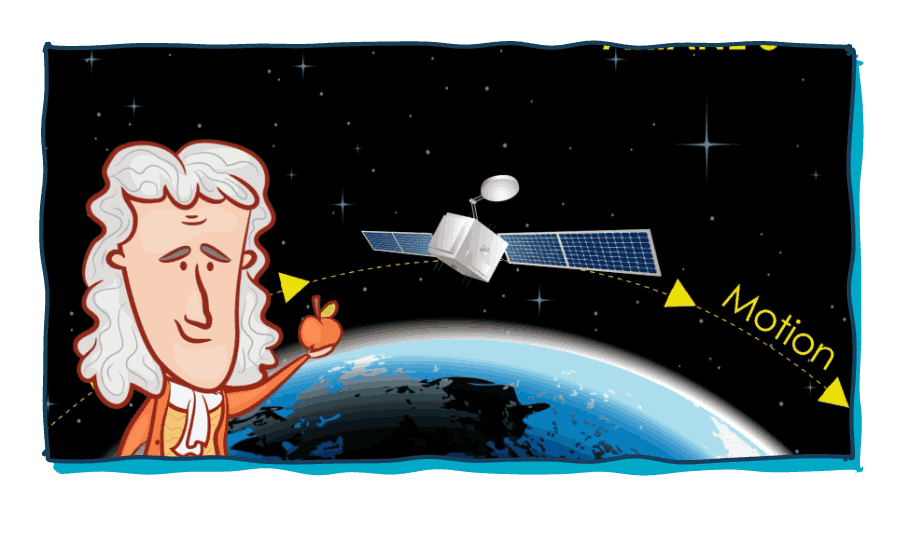
Content Expertise Before Visual Approach
Before any visual decision was made, we hired content creators with expertise in space and physics. This is a consistent part of how we approach complex communication as a communication firm: the people who write the content have to understand the subject, not summarize it. Summarizing is what produces the kind of simplified language that feels condescending to a student audience. Understanding is what produces communication that feels precise and trustworthy.
The communication strategy for this series was built around the knowledge of the subject, not around what we assumed a student audience would or would not understand. That is a different starting point, and it produces a different result.
Educational communication fails when the writer knows less than the audience. It holds when the writer knows more.
Keeping a Twenty-Minute Instrument Engaging
Twenty minutes is a long time for any audience. For students in a workshop setting, it is a significant demand on attention. The communication design challenge was not just what to say but how to sustain engagement across the full runtime.
Our approach was to alternate between motion graphics, mixed media video sequences, and filmed elements while maintaining consistent branding throughout. Each shift in visual format served as a reset point for attention. The consistency of the brand language held the series together. The variety in approach kept it moving.
Every production decision, from animation style to the pacing of filmed sequences, followed from the communication strategy. The choice of when to shift format, how often, and what effect each shift produces is made at the level of message architecture, before a single frame is animated.
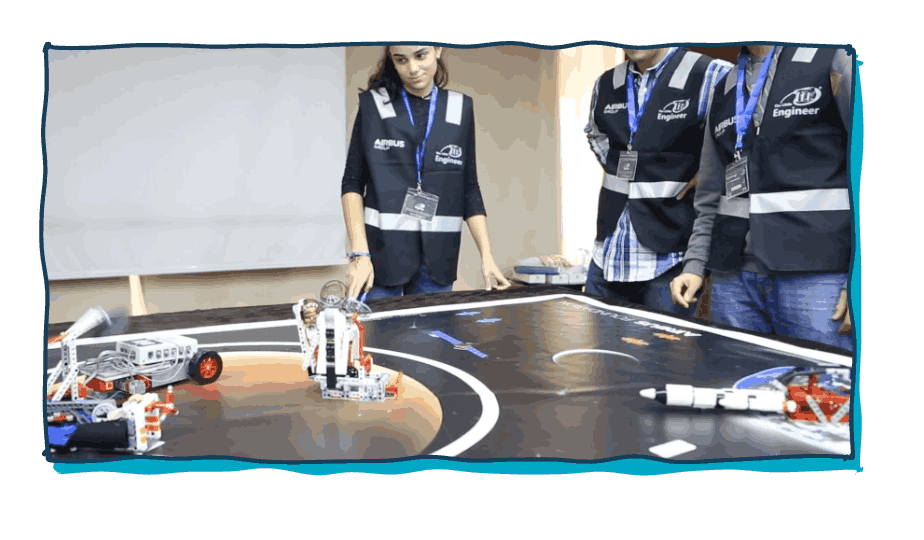
What Makes an Educational Communication Instrument Last
The animated video series was produced in 2017. The videos are still watched and used today. That kind of longevity is not accidental. It is the result of building a communication instrument around what is true about the subject rather than what was current about the format.
Trends in video style, animation fashion, and production aesthetics shift every few years. The gravitational pull of Mars does not. When the communication is grounded in substance, it ages differently than communication grounded in style. The Airbus series is a clear example: the content is still relevant, the visual approach still holds, and the videos continue to serve their purpose.
That is what we mean when we say a communication instrument is built to last.